
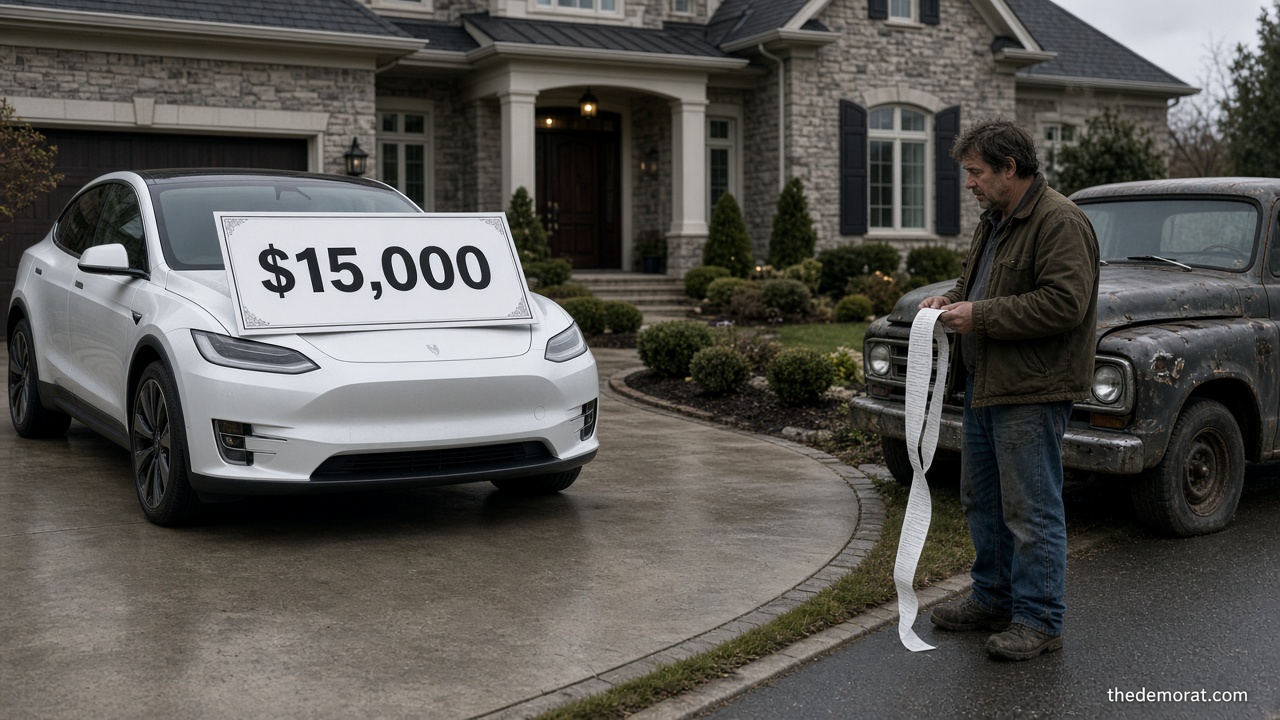
WASHINGTON — House Democrats have a plan to win back voters who think electric cars are for rich people. They'd like to hand rich people twice as much money to buy one.
Let's open the books.
Republicans ended the $7,500 federal tax credit for new electric cars in 2025. On Oct. 22, Ohio Rep. Greg Landsman introduced the 21st Century Vehicle Choice Act, which would double that credit to $15,000, double the used-EV credit from $4,000 to up to $8,000, and make all of it permanent, according to his office.
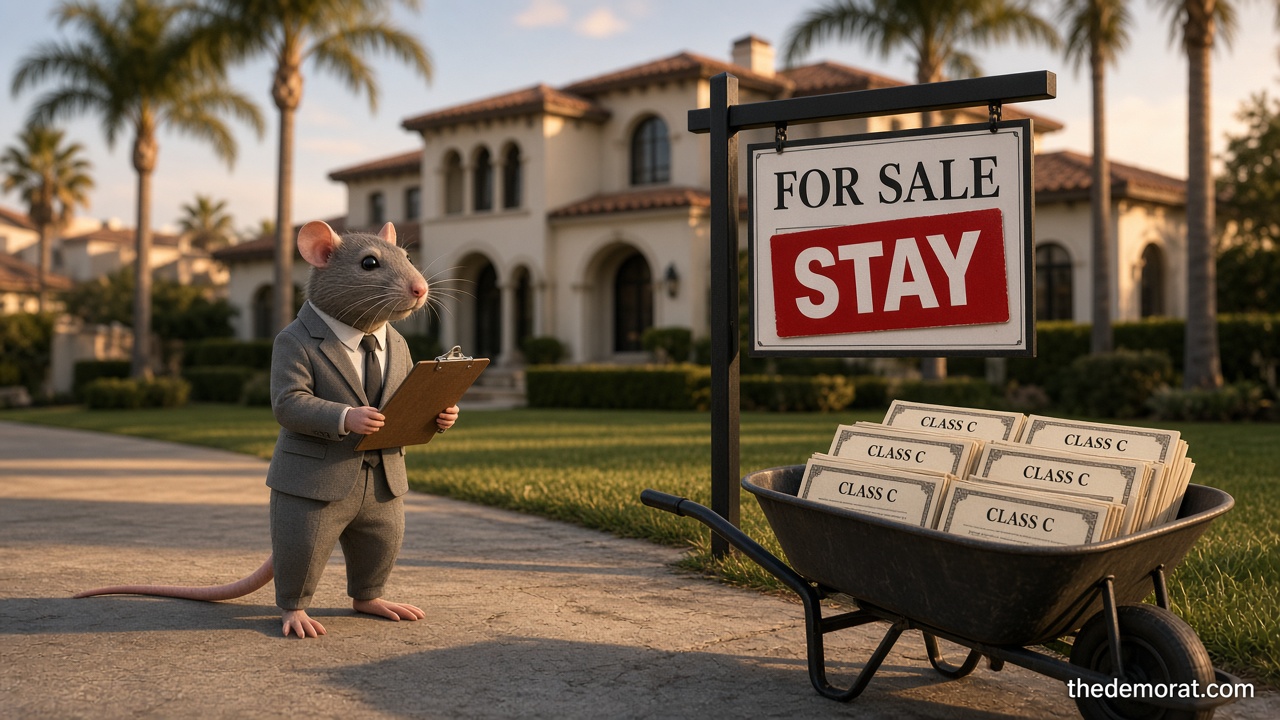
Line item one: the old credit's customers. Half of the benefits of the credit's predecessor went in 2022 to taxpayers making $200,000 or more, the top 8 percent of earners, according to a Congressional Research Service report. Adam Michel of the Cato Institute told the Daily Caller News Foundation that estimates suggest roughly seven in 10 recipients would have bought the electric car anyway.
So for every 10 checks, seven went to people who were already at the dealership with a pen in their hand. The credit didn't change their minds. It changed their tile backsplash.
Line item two: the price. Killing the old credit is projected to save $77.8 billion from fiscal 2026 through 2034, according to Joint Committee on Taxation estimates. Michel's back-of-the-envelope math on a credit twice as large lands at about $380 billion over a decade. That's not a budget figure. That's a Tesla with a moon roof for the entire federal deficit.
Line item three: the party itself. More than 160 House Democrats back a separate bill from Reps. Sean Casten and Mike Levin to restore the clean energy credits, including the EV credit. House Minority Leader Hakeem Jeffries isn't a cosponsor, Politico reported. Senate Minority Leader Chuck Schumer has called for bringing back wind and solar credits without explicitly mentioning cars. Neither office answered Politico's repeated questions on the subject. When a client won't answer the same question three times, I open a folder labeled "Audit."
Levin told Politico that ending the credit "was the wrong decision" and "a giant self-own by this administration." A Democratic energy adviser, granted anonymity by Politico, said the credit had "become kind of synonymous with elite, liberal, coastal, kind of out-of-touch policy and politics." That's one side of the party calling it a self-own and the other side calling it a brand. On a balance sheet, those cancel out to zero, which is also how many Democratic leaders have co-signed it.
Line item four: the customers who are left. In a Pew Research Center survey taken in March, 47 percent of Democrats and Democratic-leaning independents said they would seriously consider buying an electric car, down from 58 percent in 2022. Eleven points gone in four years. Even the base is trading in.
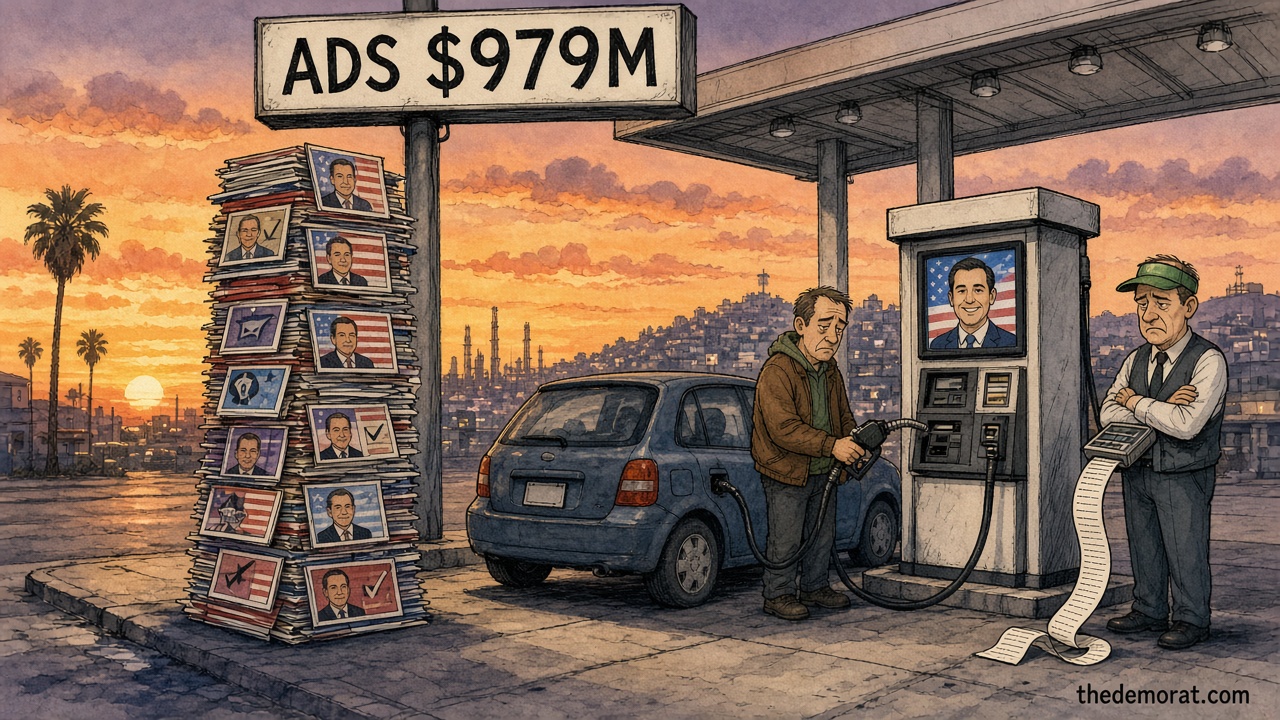
Meanwhile, the voter Democrats are actually trying to reach is filling a 2014 pickup at the pump and doing the arithmetic on whether this week is a half tank or a quarter tank. That voter has never once been offered $15,000 by Congress. That voter gets offered a sticker that says "I Voted."
Final reconciliation: the credit costs more, helps the people who need it least, and has lost a fifth of its fans in its own party. Democrats call that a debate. In my profession we call it a write-off, and we were right the first time: it changed their tile backsplash, and now it wants to do the whole kitchen.
The Demorat is a satire publication. This article is a comedy roast built on real reported events; jokes, exaggerations and fictional characters are not real news.
The real story that inspired this