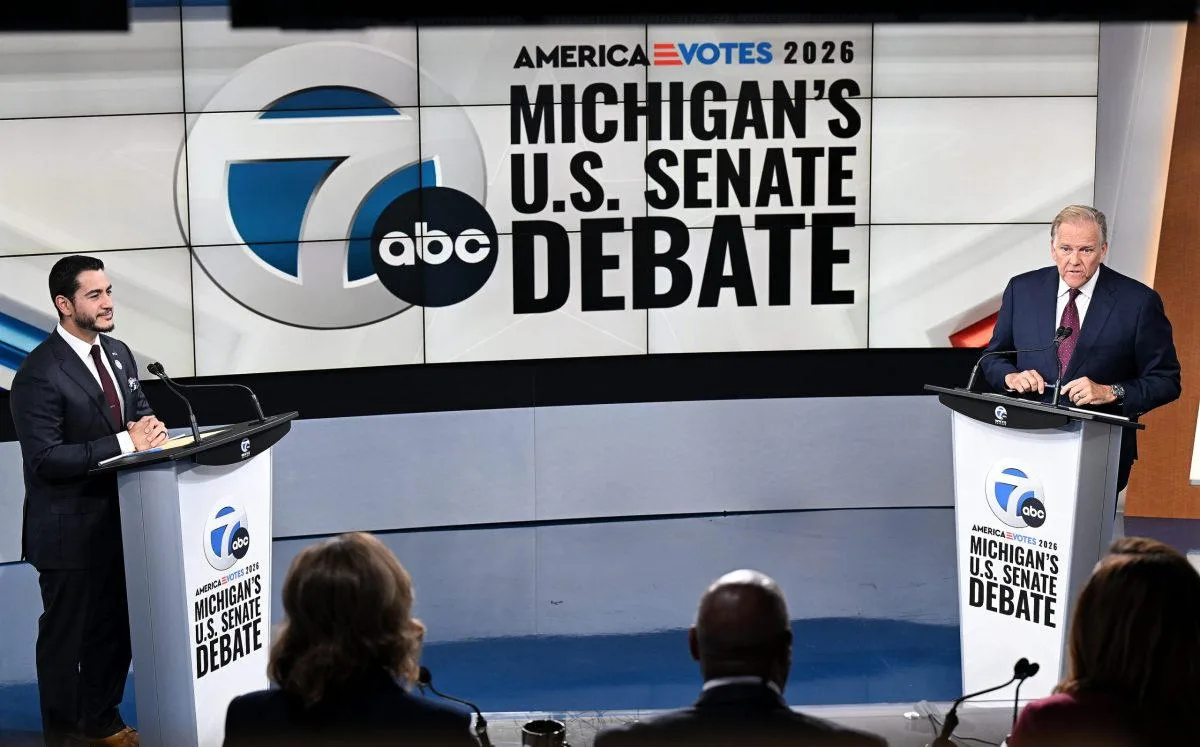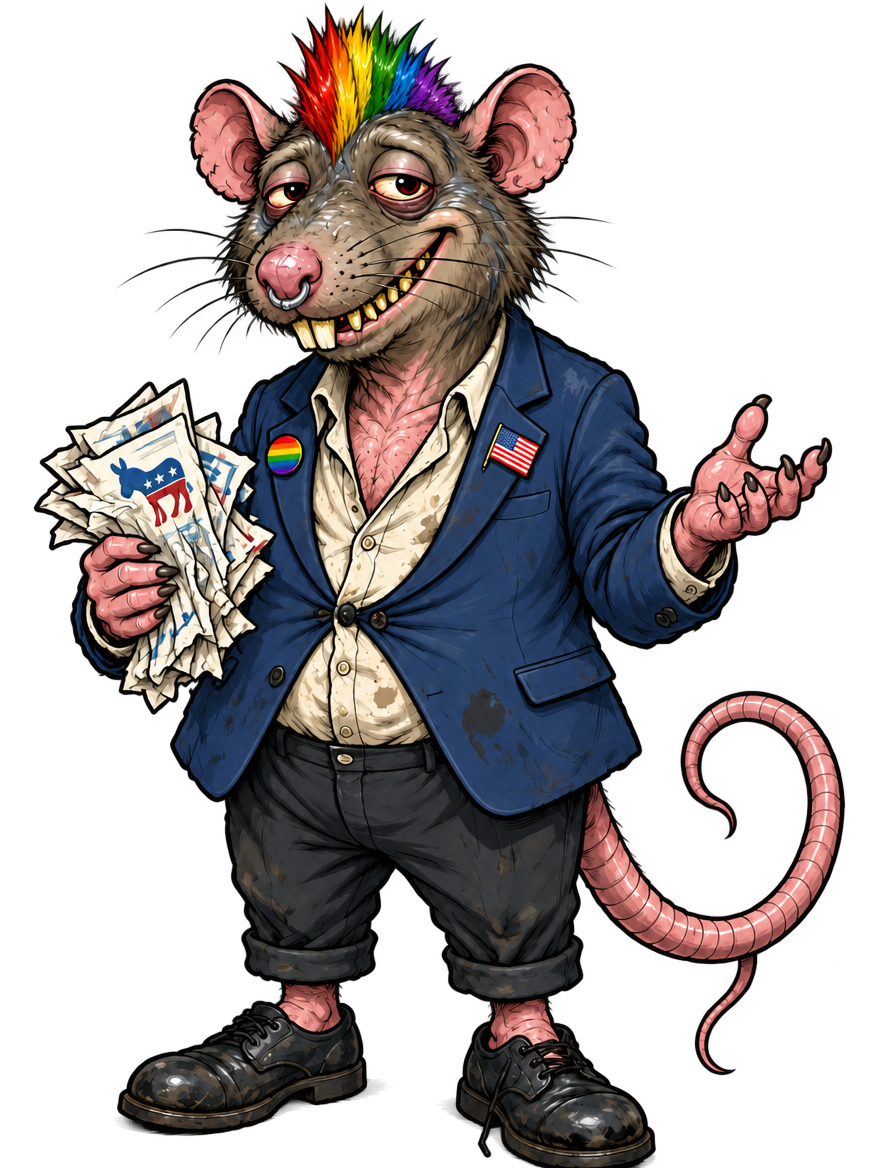

A polling outfit called Wedgewood just admitted almost everything they put out was made up. Wallet Walsh here, and the numbers were always funny; now we know they were fiction. The firm claimed their surveys were a “social experiment” to show how easy it is to fool media and aggregators. Cute. Except those fake numbers got cited by campaigns, by the New York Times, by Decision Desk, and by people who actually spend money based on what the polls say. Democrats spent months pointing to Wedgewood data that showed far-left candidates competitive in places where they weren’t. When the scam came out, the same people who love to lecture about disinformation called the pollsters scumbags. The experiment worked. It proved that if you invent a firm, invent the crosstabs, and feed the right narrative, plenty of outlets will run it without checking whether the people behind it even exist. This is the same media that spent years calling any inconvenient poll “skewed” while treating left-leaning ones as gospel. Now they’re shocked that someone gamed the system they refused to scrutinize. The real cost isn’t the fake numbers; it’s the spending decisions and the voter expectations built on them. Campaigns in Michigan, Wisconsin, Maine, and elsewhere adjusted based on data that never existed. That’s not an experiment. That’s fraud with a press release. Wallet’s take: when the people who control the narrative need good news more than they need accurate numbers, the numbers will magically appear. And when the magic gets exposed two weeks before the election, the same voices will pretend they never relied on it. Voters don’t need another lesson in why trust in institutions is collapsing. They just watched the people who claim to defend democracy get played by a made-up polling company because the made-up numbers made their side look better. Keep trusting the averages. The rest of us will notice when the “experiment” only seems to help one party.
The real story that inspired this