
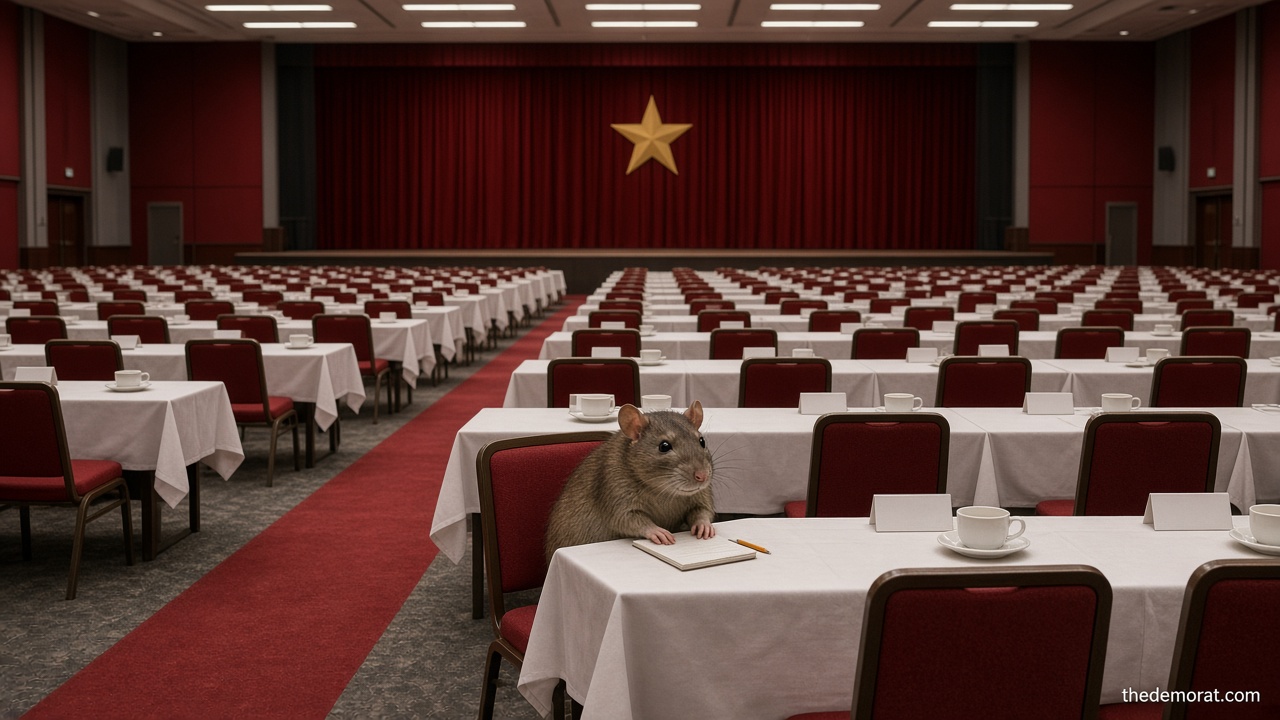
China's Communist Party opened a four-day meeting Monday on strengthening discipline in its ranks. Attendance is expected to be the lowest since 1976, because of the discipline.
I've covered a lot of summits. This is the first one where the empty chairs are the agenda.
Here's what's real, per the AP, AFP, Reuters and the BBC. Roughly 300 members of the Central Committee gathered in Beijing for the Fifth Plenum, which runs through Thursday. State news agency Xinhua says Xi Jinping opened it by presenting a draft decision on "full and rigorous Party self-governance." The location wasn't announced. Past plenums met at Beijing's Jingxi Hotel. This year the party decided even the building should be on a need-to-know basis.
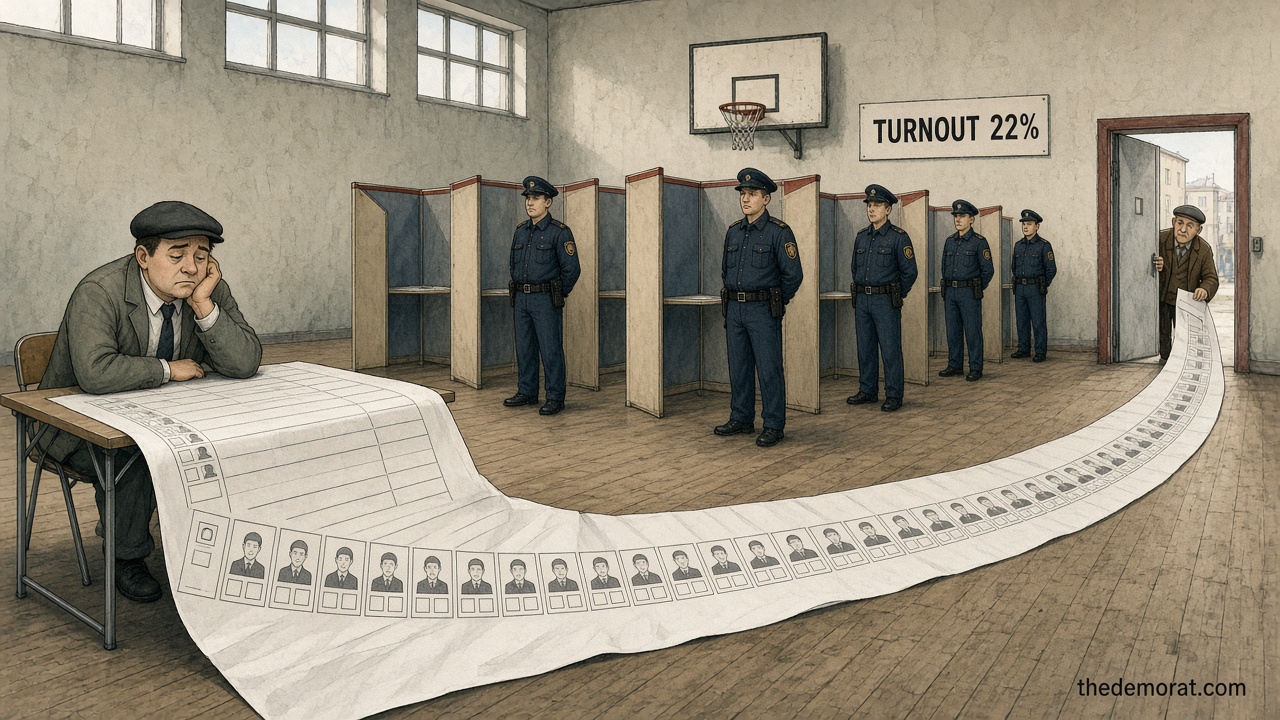
Now the attendance sheet. Eight seats on the Central Committee are vacant, and another 15 members are under investigation, per AFP. The Asia Society Policy Institute estimates only 77.4 percent of the 2022 class is still in a position to show up. Three of the 24 Politburo members elected in 2022 are gone, the most removed from a sitting Politburo in one term since 1980, according to University of Zurich researcher Jean Christopher Mittelstaedt.
The military did worse. Xi's anticorruption drive has toppled five of the seven members of the Central Military Commission, which runs China's armed forces. The BBC says the commission is down to Xi and one general. That's not a chain of command. That's a carpool.
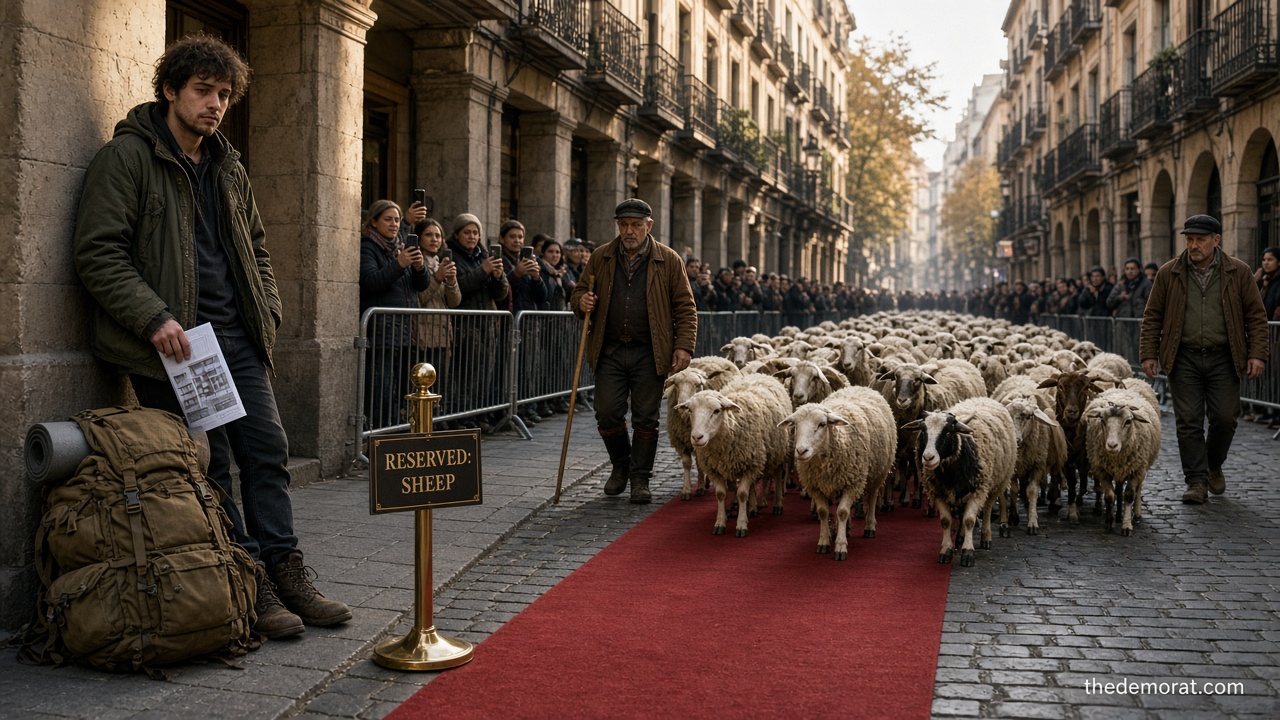
The Asia Society also figures that of the 44 military officers appointed to the Central Committee in 2022, only two haven't been taken down. Two out of 44. Reality shows have better survival odds, and those contestants eat bugs.
In a January speech, Xi railed against "two-faced" officials who appear to follow orders but "inwardly resist." So the roughly 300 people in the room now have four days to look loyal on the outside and on the inside, in a hall where the person who used to sit next to them is a cautionary tale.
The BBC notes some officials were removed for "moral corruption," which experts read as a polite term for disloyalty. In most countries, a bad attitude gets you a performance review. In Beijing, it gets you an empty chair with your name still on it.
Picture a fictional junior cadre named Wei, assigned to set up the hall. He laid out 376 name cards, picked up 63 of them, and has been told to stop counting out loud.
Meanwhile, the BBC and Al Jazeera note China's economy is fighting weak consumer spending and a long property slump. Those problems are not on the formal agenda. Loyalty is. When the house is on fire, the party's first move is a meeting about who's allowed to hold the hose.
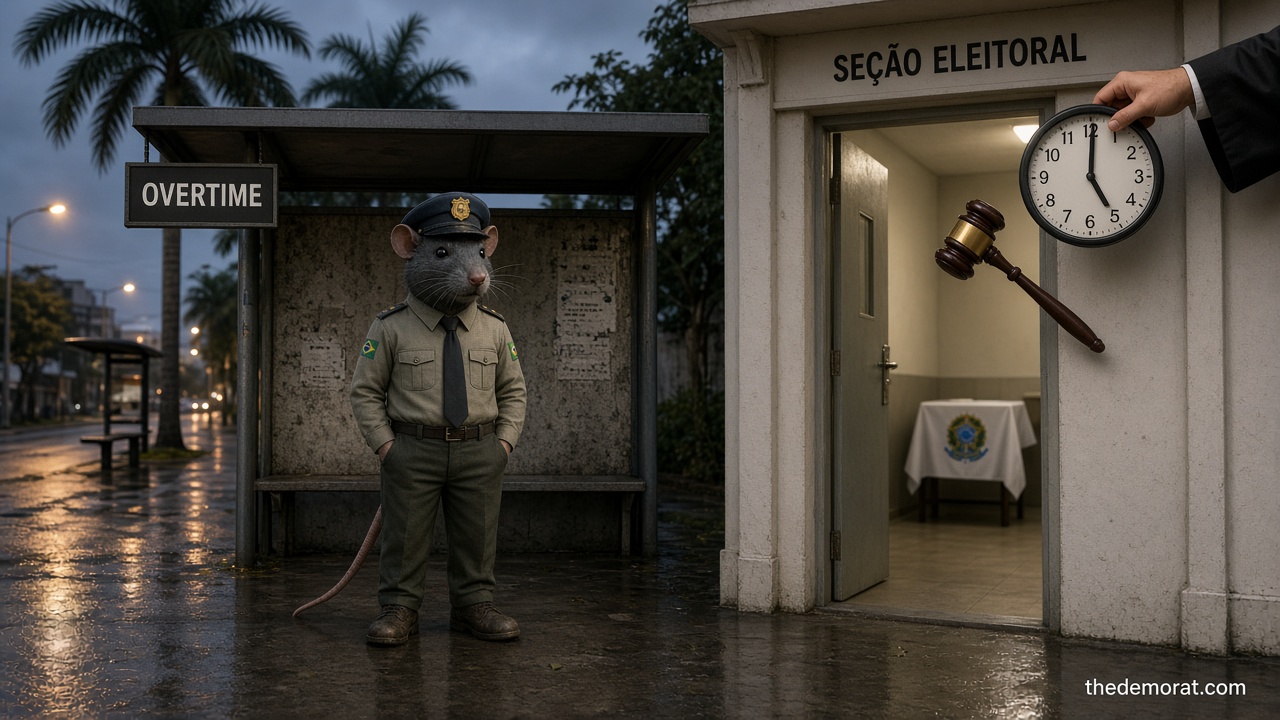
On the sewer scale, this rates four rats out of five. One rat for the secret location, one for the "two-faced" speech, one for the carpool commission and one for the turnout. The fifth rat was invited, RSVP'd yes and is currently under investigation.
The meeting wraps Thursday, when the party will release a summary of what it decided. Expect it to be unanimous. Everyone who might have voted no already has the week off.
And here's your bill: regular gas averaged $4.48 a gallon nationwide in September, per the Bureau of Labor Statistics. Beijing spent four days on discipline. Your gas station spent zero minutes on it and still raised the price.
This article is satire. The Demorat is a parody news site; real facts are drawn from the linked sources, and jokes, invented scenes, and fictional characters are not real.
The real story that inspired this