
Everyone is mad at the wrong party here, and I say that as someone who is mad at all of them.
On October 31, The Dallas Morning News ran an op-ed under the headline "I'm a Republican, but Gina Hinojosa has my vote." The writer, a former Republican legislative staffer and onetime Abbott campaign aide, explained that Hinojosa, the Democratic nominee for governor, "knows how to bring Texans together."
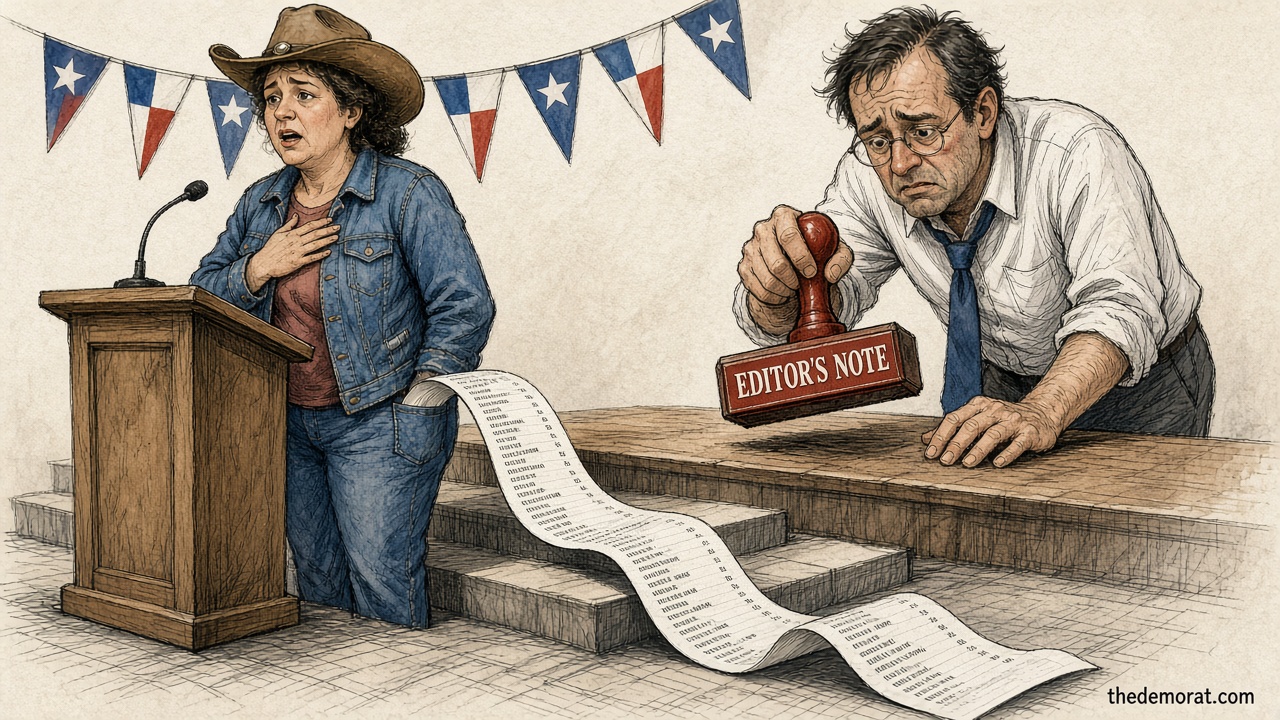
On November 1 at 3 p.m., the paper added an editor's note. After publication, it said, the author "confirmed to The Dallas Morning News that she is a paid consultant of the Hinojosa campaign." She hadn't disclosed it during submission or editing. "Had we been aware of this conflict, we would have declined to publish this piece."
So the headline was accurate. She is a Republican, and Gina Hinojosa does have her vote. Also her invoice.
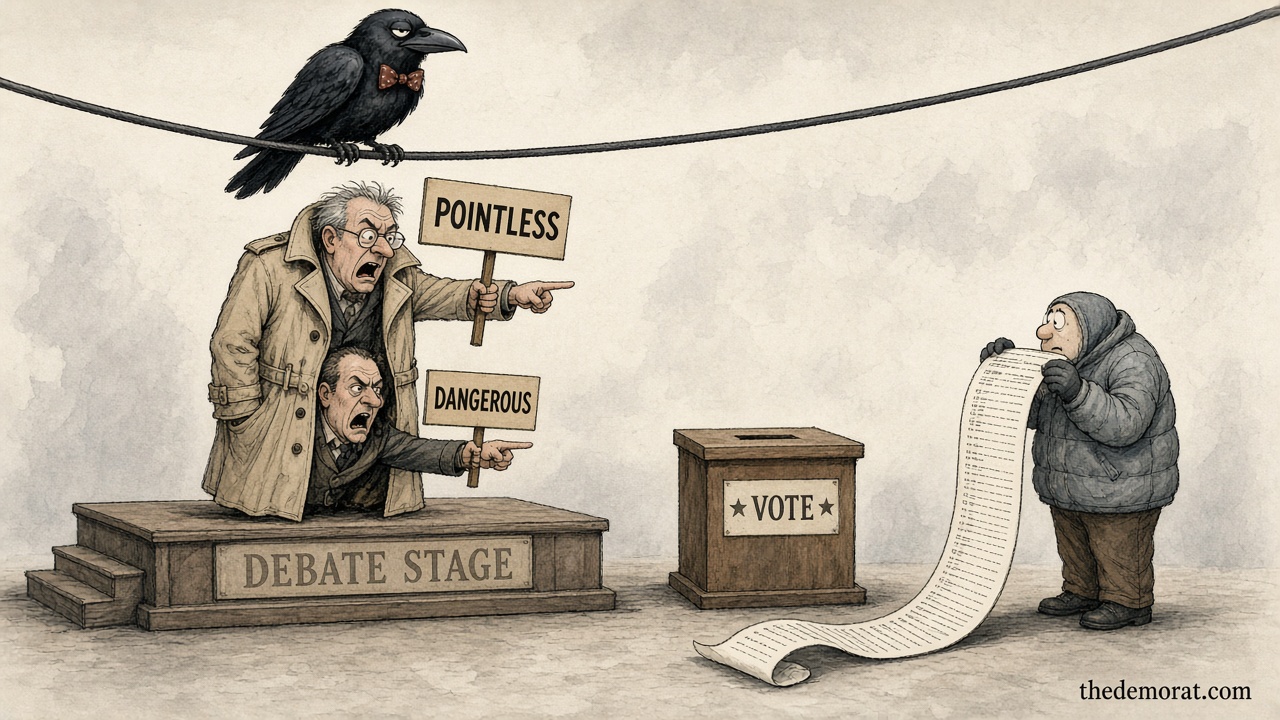
Now, the conventional take is that this is embarrassing for the newspaper. Wrong. The newspaper did what newspapers do: it read a Democrat's campaign material and assumed it was a citizen's heartfelt opinion. That's not a lapse. That's the house style.
The second conventional take is that this is embarrassing for the writer. Also wrong. She did exactly what consultants are paid to do. She got her client into one of the state's biggest papers three days before Election Day, under a headline that sounds like a confession at a church potluck. Somewhere a campaign finance director is calling that the best return on investment of the cycle.
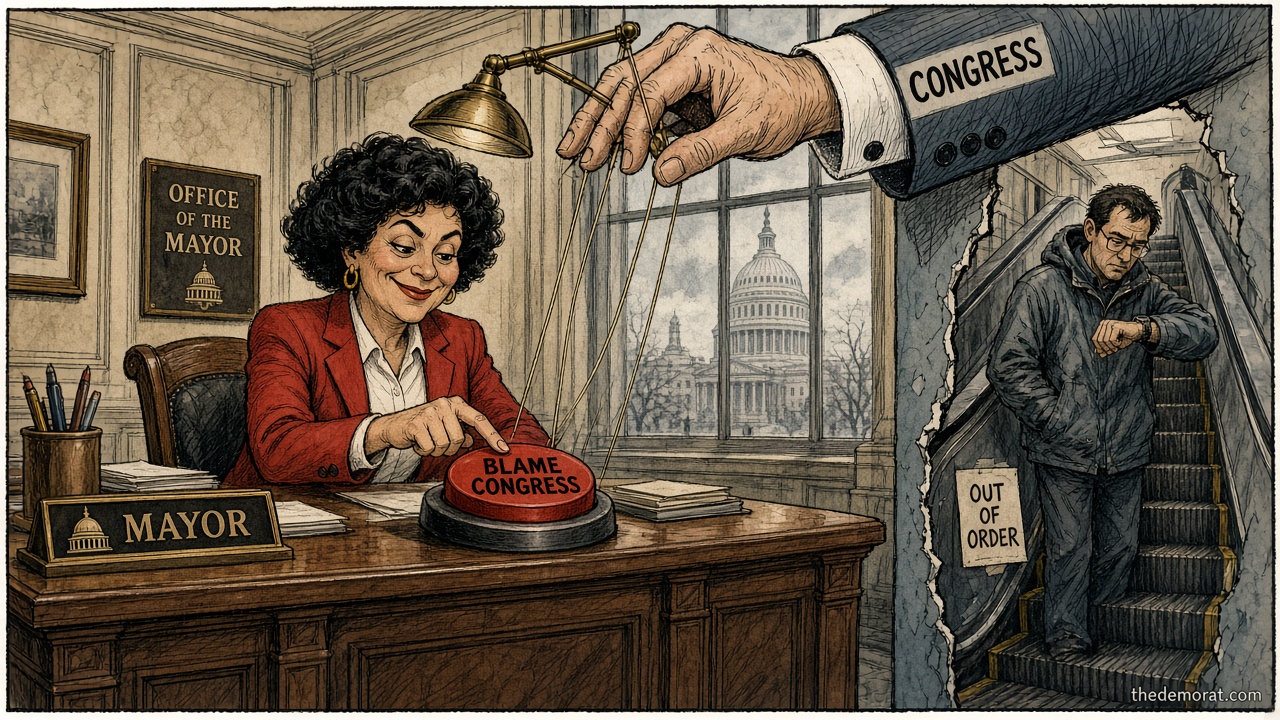
No, the real story is the campaign itself. Hinojosa recently told the paper's editorial board her pitch was "post-partisan," a chance to "forge a new way forward." Turns out the new way forward runs straight through accounts payable. Her campaign has reported nearly $37 million in spending this cycle, according to state filings tracked by Transparency USA. And with all that money, the crossover Republican they found was already on the clock.
That's the part nobody wants to say. If you have to pay the Republican who endorses you, you don't have a bipartisan coalition. You have a staffing agency.
And think about the op-ed's central argument: that Hinojosa "started with what we agreed on." Of course they agreed. One of them was signing the checks. The best way to find common ground with someone is to make it a line item.
Some readers will say this happens on both sides, and they're right, and that's the point. Every campaign in America has a consultant. Very few of them run the consultant as the testimonial.
Here's the contrarian kicker: the paper's apology is the most honest thing in the whole episode. "We regret that we were not" aware, the editors wrote. That is a sentence that should be printed above every political op-ed in America, in advance, in red.
The column is still up, by the way. It now begins with a disclaimer explaining why it never should have run, followed by every word of the thing that never should have run. It's the first endorsement in Texas history that comes with its own rebuttal stapled to the front.
So the Republican is a consultant, the consultant is a columnist, and the columnist is a cost of doing business. Post-partisan, as promised. Just not post-payroll.
---
The Demorat is a satire publication. This article is parody and commentary based on real news reports; jokes, exaggerations and fictional elements are not factual claims. Quotes attributed to real people are drawn from published reporting.
The real story that inspired this