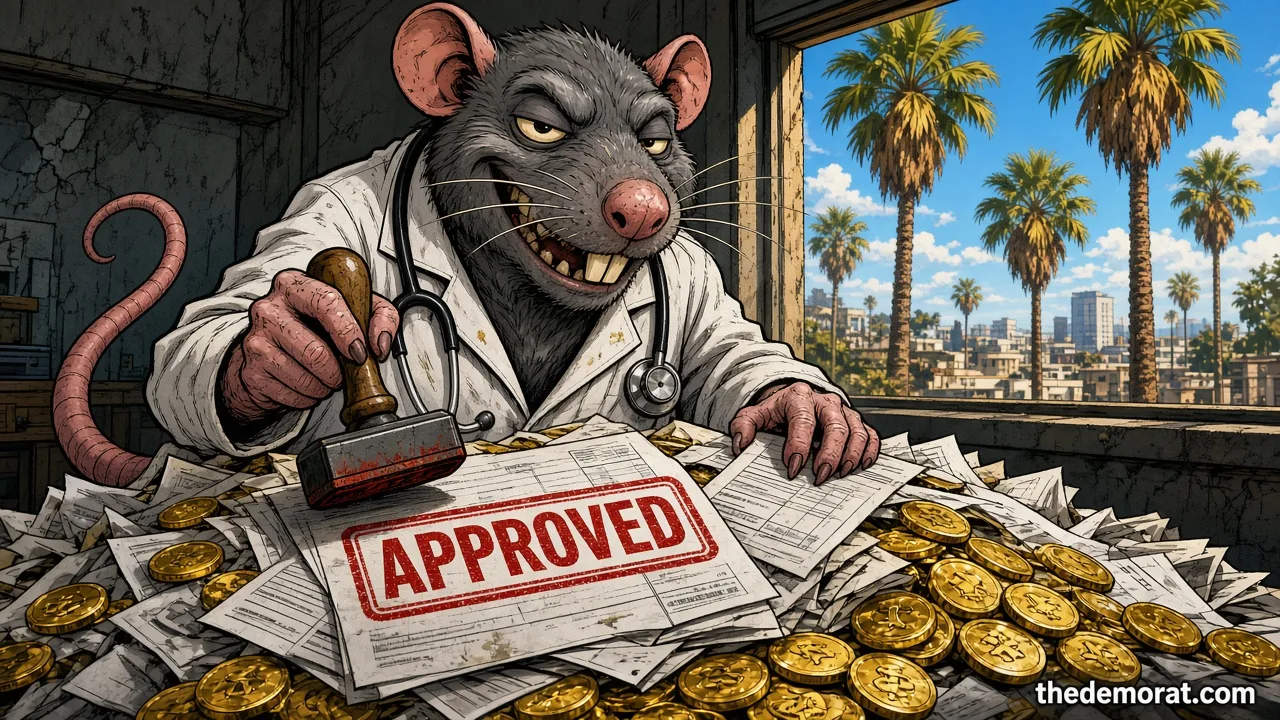


Two of the country's biggest health insurers are ending Medicare Advantage coverage for about 1 million seniors next year. The seniors may keep their plans through December 31.
CBS News reported Friday that Humana is exiting plans covering roughly 600,000 members and UnitedHealthcare is closing a plan for roughly 390,000. That adds up to 990,000 people. The press is rounding it to a million, which is the first time this year anyone in health care has rounded in the customer's favor.
Newsweek and Healthcare Brew reported the same figures. UnitedHealthcare told CBS it is facing "higher costs and increased plan usage." I want to sit with that phrase, because I've audited a lot of companies and this is the first one to list "customers used the product" as a liability.
Humana said in its statement that it regularly evaluates its offerings "to ensure we can continue providing affordable, coordinated care." Bloomberg, reporting on the same wave of exits earlier this month, ran the headline that insurers were dropping the plans to boost profit. Both of those things can be true. Only one of them goes on the brochure.
Here's what the affected seniors have to do. Open enrollment runs from October 15 to December 7, according to KFF. That's 54 days to pick a new plan. Humana says most of its affected members will be offered an alternative, and UnitedHealthcare says its 390,000 will have access to another UnitedHealthcare plan. Anyone who doesn't choose generally lands back in Original Medicare and may need separate Part D drug coverage. There is also a special enrollment period running into February.
So, to recap the ledger: one plan canceled, one replacement offered, one drug plan possibly purchased separately, one deadline, one backup deadline, and zero dollars of refund for the time spent reading this paragraph.
Some readers are old enough to remember a different promise. "If you like your health care plan, you can keep it" was the line President Obama used to sell the Affordable Care Act. PolitiFact named it the Lie of the Year in 2013. Thirteen years later, the industry has finally achieved bipartisan consensus. Nobody gets to keep anything.
Picture a fictional retiree named Gloria, 71, at her kitchen table in Tampa with three plan brochures, a highlighter, a magnifying glass, and a pot of coffee she made at 6 a.m. so she could be on hold by 6:05.
Gloria has done her taxes by hand for 40 years. She has never once been told her usage was too high. She would like to speak to whoever used the word "coordinated."
Let me run the numbers one more time, the way I'd present them to a board. Inputs: 990,000 seniors. Outputs: 990,000 phone calls. Projected hold time: yes. Net benefit to the customer: a new plan that does what the old plan did, if they find it before December 7.
The insurers say they're ending coverage for about a million seniors. The seniors can keep their plans, technically, for 68 more days. That's the most honest version of "you can keep it" anyone in Washington or on Wall Street has offered in years.
This article is satire. The Demorat is a parody news site; real facts are drawn from the linked sources, and jokes, invented scenes, and fictional characters are not real.
The real story that inspired this