
Case file 11-01-B. Subject: a 254-unit apartment building in downtown Seattle that the city protected all the way into receivership.
I've been in the tunnels a long time. I've seen a sewer pipe hold forty rats, then forty-one, then forty-two, because nobody down here is allowed to say no to a roommate. Turns out that's not a tunnel rule. It's a Seattle ordinance.
Here are the facts, per court filings reported by Fox News this weekend. Addison on Fourth is a 254-unit affordable housing complex in Seattle. It was built with a $39 million investment under the federal Low-Income Housing Tax Credit program, which gives private investors tax breaks in exchange for keeping rents low for lower-income tenants.
According to the owner, GRE Downtowner LLC, the building made money from 2015 through 2018. Then Seattle got to work protecting the tenants.
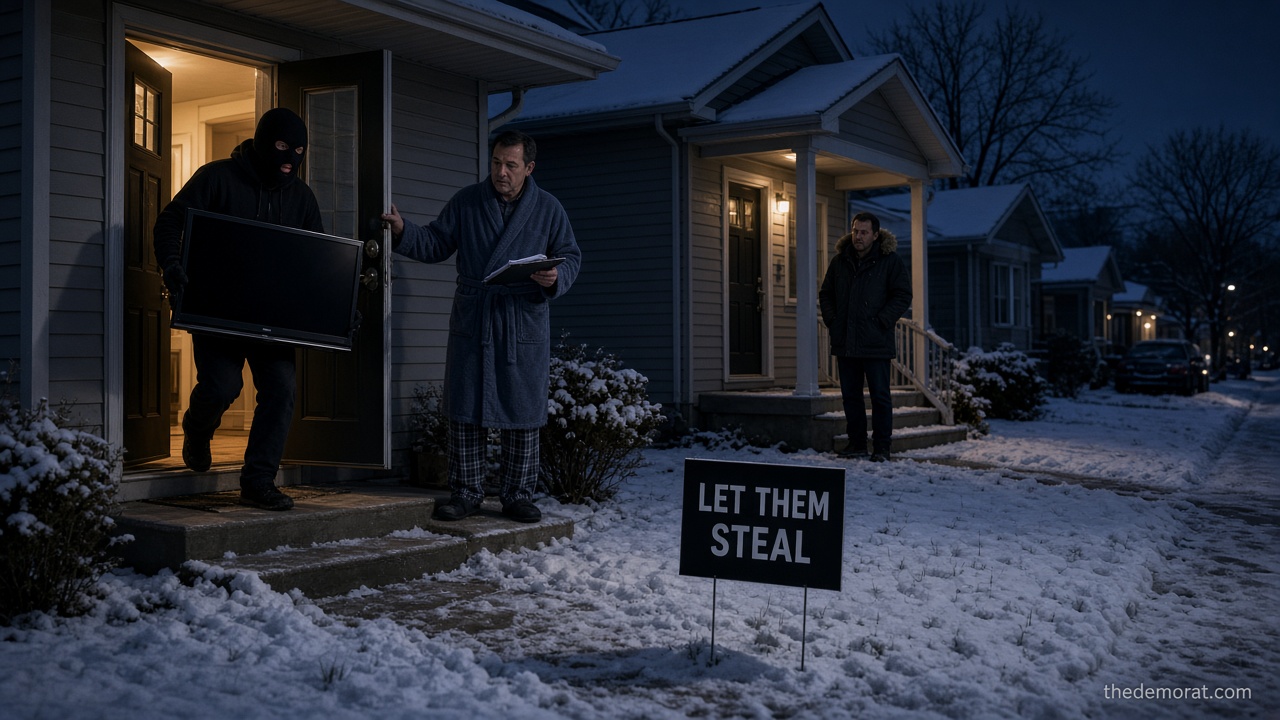
The city passed ordinances restricting criminal-background checks. It expanded tenants' ability to move in additional occupants without the landlord's consent. It limited certain evictions. It required relocation assistance after qualifying rent increases.
Every one of those was sold as a gift to renters. Here's what the owner says the gift looked like on the books. Rent collections fell from 93.9 percent in 2018 to 44.1 percent in 2023. That's not a dip. That's more than half the rent going missing at an affordable housing complex, the one building in Seattle where the rent was already on sale.
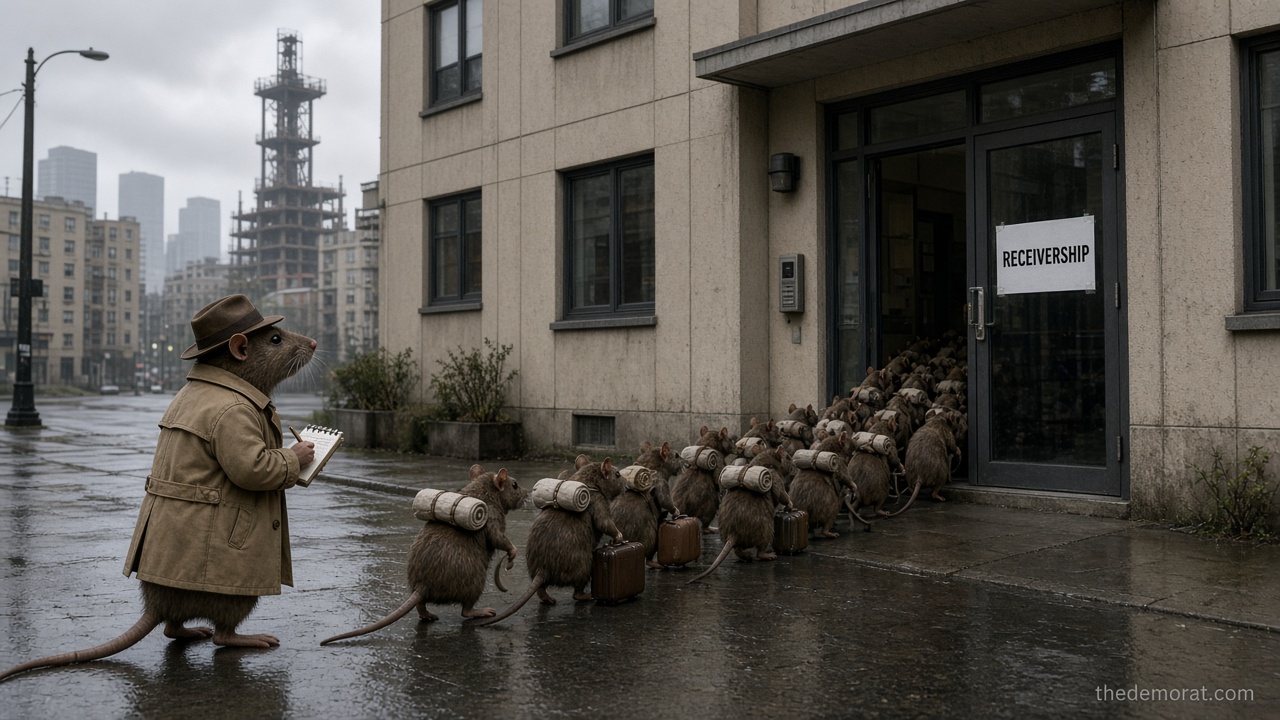
GRE says it ran up nearly $5.8 million in operating losses. In January 2026, after a mortgage default, a federal judge appointed a receiver to take over the property.
Detectives, write this down. The city set out to protect affordable housing tenants, and the building they live in is now being run by the court system.
On Monday, the Washington Court of Appeals ruled GRE can move forward with its claim that the city's rules amounted to an unconstitutional taking of private property. The Seattle City Attorney's Office told Fox News it hasn't decided on an appeal yet.
Sean Flynn of the Rental Housing Association of Washington, who is working with GRE on the case, called the ordinances a "toxic cocktail of legislation." He also said the quiet part with a view: "Once upon a time in Seattle, you could stand from my office and you could see crane after crane after crane building housing. They're gone, and they're not coming back."
Think about the renter in this story, because the city didn't. She's the one who wants a decent apartment at a price she can afford. Every investor who read about Addison on Fourth just learned a lesson: put $39 million into cheap housing in Seattle, and the city will let in roommates you never screened and hand your keys to a judge.
So the next affordable building doesn't get built. The cranes leave. The rent on the apartments that are left goes up. And the council calls a press conference about the housing crisis it can't figure out.
Seattle isn't alone, either. Portland, Philadelphia, San Francisco, and New York all have versions of these rules. The pipe keeps filling up.
I went back down to the tunnel to check on the forty-two rats. There are now sixty. Nobody pays rent, the pipe is in receivership, and the city council has scheduled a hearing on why the rats can't find housing.
The Demorat is satire. This article is a parody based on real news reports and is not meant to be taken as literal fact.
The real story that inspired this