
Somebody hacked Europe's supermarket freezers Monday and set them to 122 degrees. The European Commission answered with a deep freeze of its own: a meeting with no date.
I've watched a lot of governments react slowly. This is the first time the groceries thawed faster than the bureaucracy.
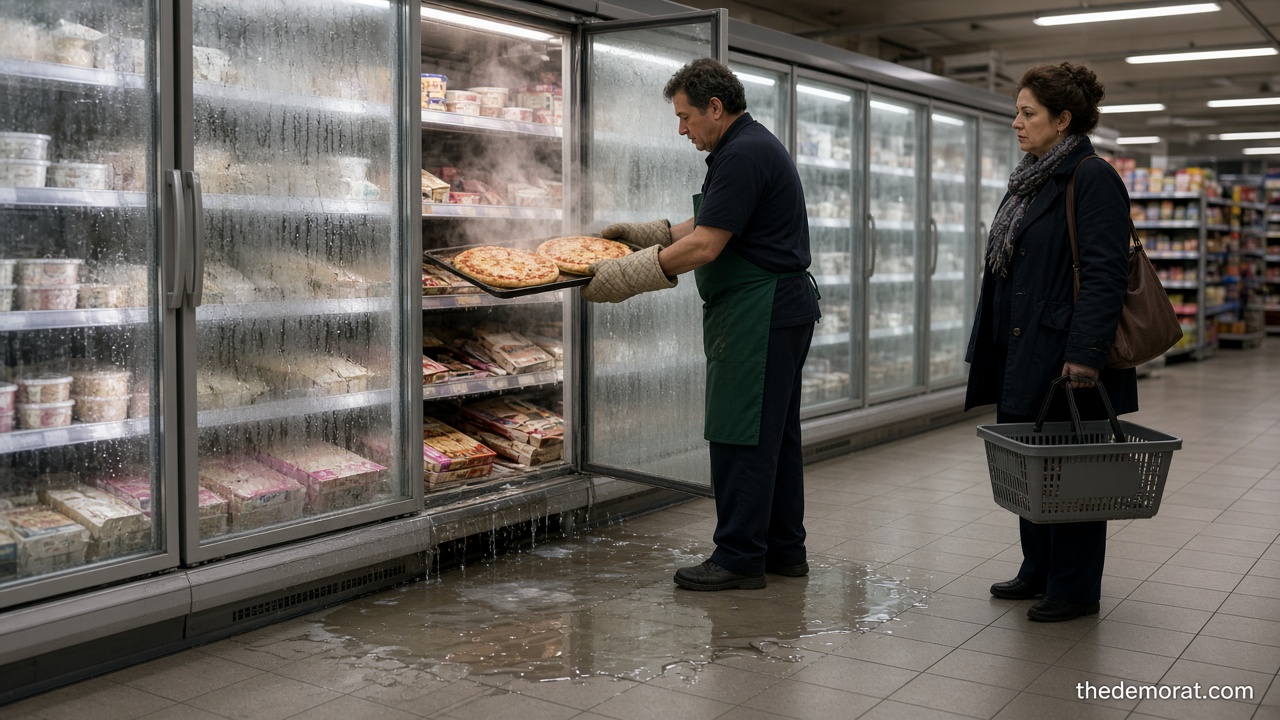
Here's what's real, per the BBC, NBC News and Politico Europe. Dozens of supermarkets across seven European countries, including Belgium, Luxembourg, Sweden, Ireland, the Netherlands, Estonia and Finland, had their fridges and freezers hit by an apparent cyberattack. The units were switched into defrost mode, and temperatures climbed as high as 50 degrees Celsius. That's 122 Fahrenheit. That's not a freezer anymore. That's a sauna with a price scanner.
About 40 Delhaize stores in Belgium and Luxembourg were affected, per the BBC. One Delhaize in Hoeilaart said it lost €100,000 worth of produce. An ICA store in Sjöbo, Sweden, posted that its fridges and freezers "have been hacked overnight and they have set the temperature to 50 degrees." Even IKEA's store in Mons got hit, which means somewhere in Belgium the meatballs were finally served hot.
Nobody knows who did it, and nobody has claimed it. NBC notes it follows a similar attack on hundreds of French supermarkets in October, where police said the heat caused fires.
So the same trick worked twice in about a month. That's not a hack anymore. That's a subscription.
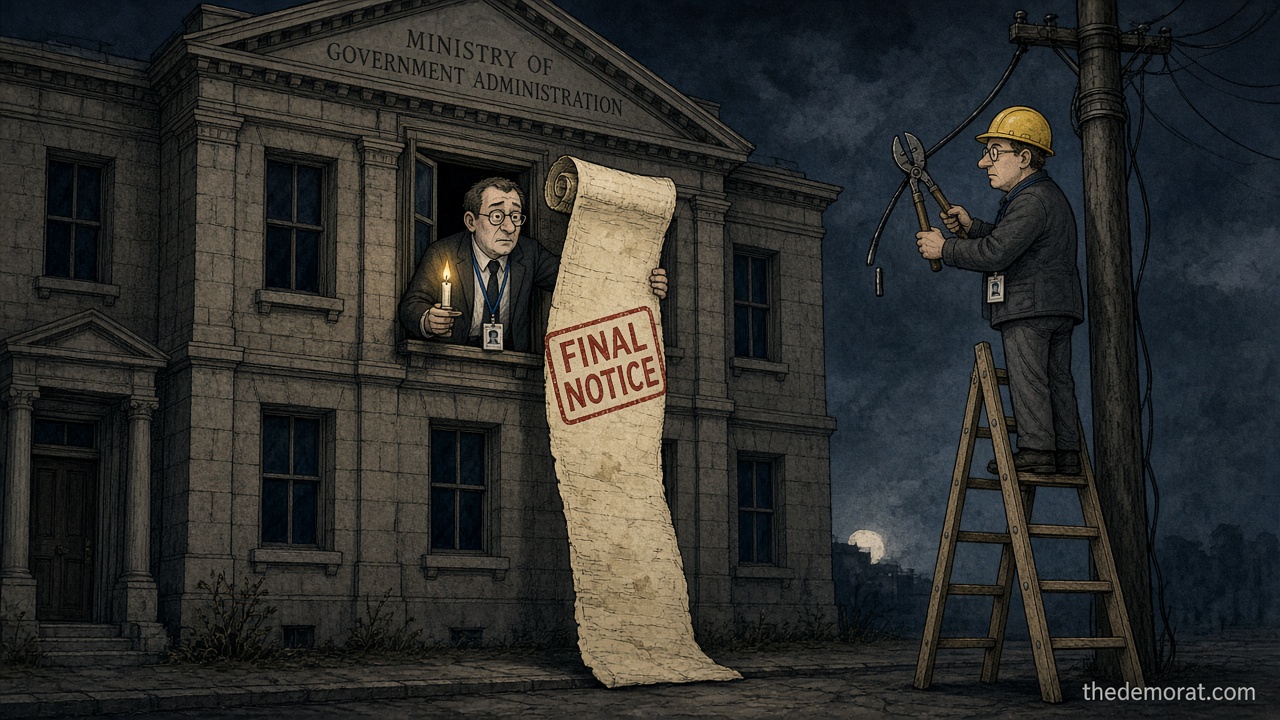
Enter Brussels. Agriculture Commissioner Christophe Hansen told Politico the attacks would be discussed at the next meeting of the Commission's Security College, a body Ursula von der Leyen set up in March 2025 to handle threats to Europe's security. When is that meeting? Politico reports no date has been set. The college discussed the timing on Friday, and officials agreed it should happen "soon."
They had a meeting about the meeting. The ice cream had neither.
Hansen also stressed that "Europe's food security is not at risk," while calling the attacks "deeply concerning" for "causing economic losses for retailers and empty shelves for consumers." Food security fine, shelves empty. That's a doctor telling you your heart is healthy and your pulse is a separate department.
Then there's the fix. The CEO of Sabcobel, the Belgian company that runs Delhaize's refrigeration systems, told the Belga news agency it had been working since the French attack in early October to protect customers' fridges, but the units needed physical modifications, not just a software update. His simplest advice, per the BBC: manage the fridges over a secure internet connection.
Read that again. Europe's frozen peas have been online this whole time, and so, apparently, has everybody else.
On the sewer scale, I give this four rats out of five. One rat for putting a freezer on the internet in the first place. One rat for letting the same attack land twice in five weeks. One rat for a security college that can't find a date on a calendar. One rat for the shopper in Stockholm watching staff haul her dinner to a dumpster while an official explains her food is secure.
The hackers turned Europe's freezers into ovens overnight. Brussels put its response in the freezer instead. At least that one still works.
And here's your bill: U.S. fruit and vegetable prices are up 3.7% over the past year, per the Bureau of Labor Statistics, so your produce is spoiling your budget the old-fashioned way, at the register.
This article is satire. The Demorat is a parody news site; real facts are drawn from the linked sources, and jokes, invented scenes, and fictional characters are not real.
The real story that inspired this