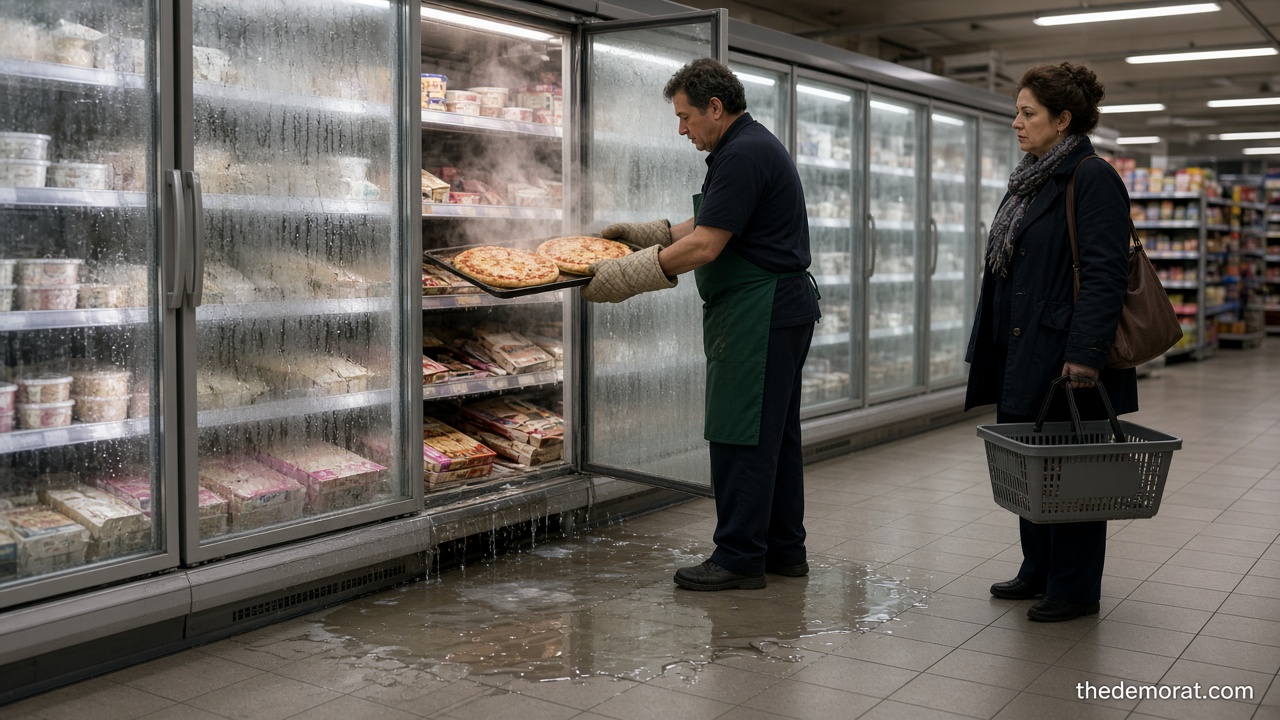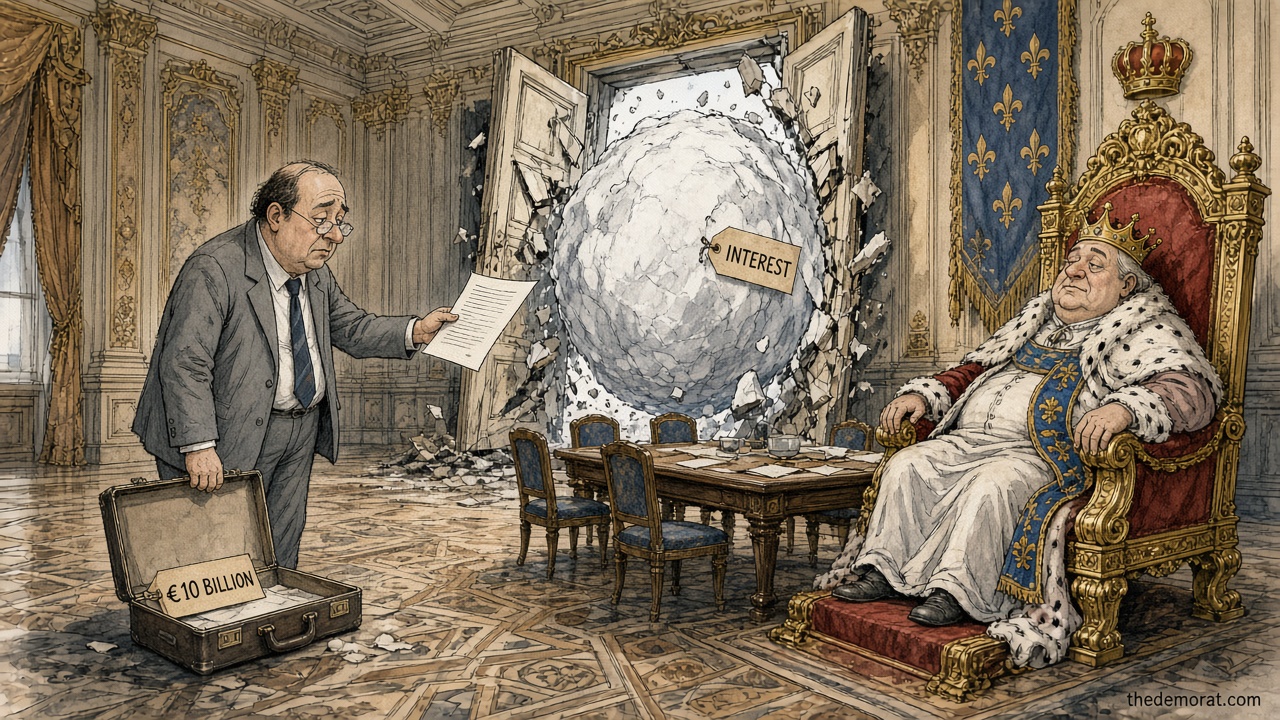

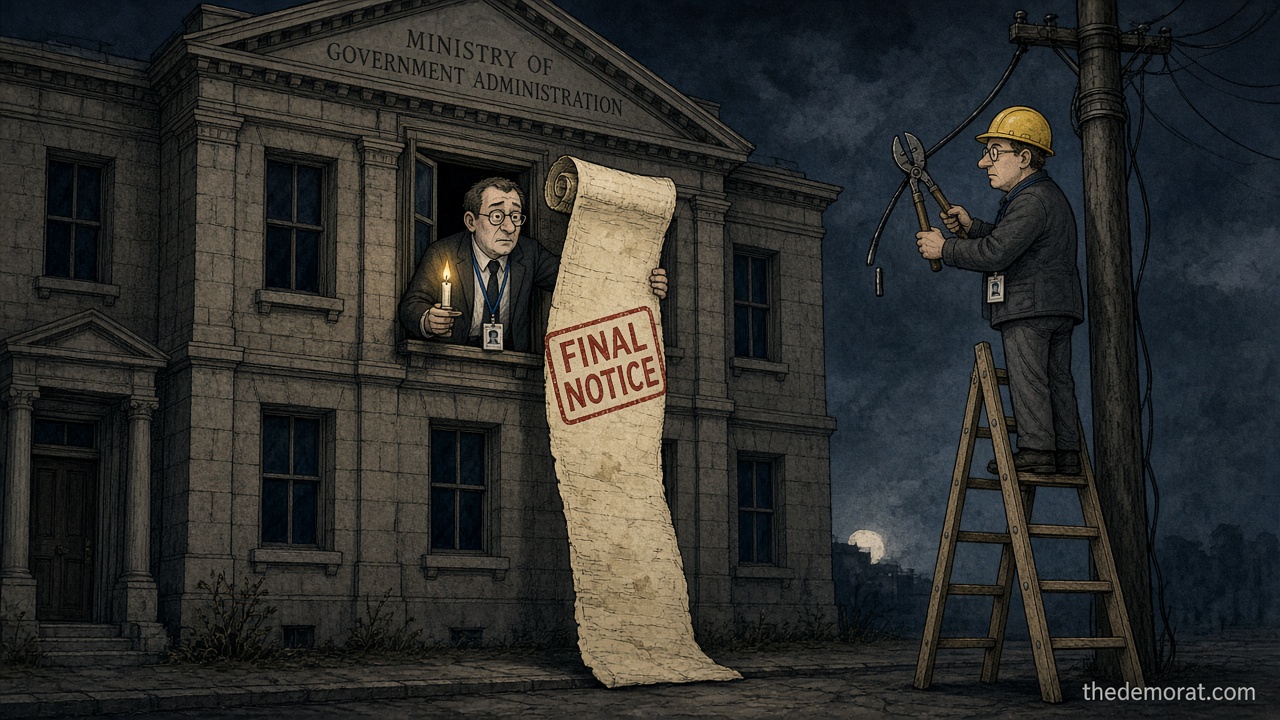
Lebanon's government owes Lebanon's power company roughly a quarter of a billion dollars. On Monday, the power company, which Lebanon's government owns, turned off Lebanon's government.
I've seen a lot of countries go dark. This is the first one that mailed itself a final notice.
Here's what's real, per Al Jazeera, Asharq Al-Awsat, L'Orient Today and LBCI. The state utility, Électricité du Liban, known as EDL, began cutting power Monday to public bodies with unpaid bills. Al Jazeera puts it at about 100 institutions. An initial list obtained by Asharq Al-Awsat includes the Ministry of Public Works, the education directorate, the Land Registry, Customs, and lines belonging to the Ministry of Telecommunications.
The phone ministry lost power. Somewhere a bureaucrat is trying to call it in.
The water authorities were on the list too, per L'Orient Today. Those report to the Ministry of Energy and Water. So the Energy half of one ministry is cutting the power to the Water half. That's not a government. That's a divorced couple splitting the house with masking tape.
Public hospitals were spared. Beirut's airport dodged the cut by agreeing to pay part of what it owes and reschedule the rest. Asharq reports civil aviation's tab alone was about $22.8 million. That's a lot of lights left on at the gate.
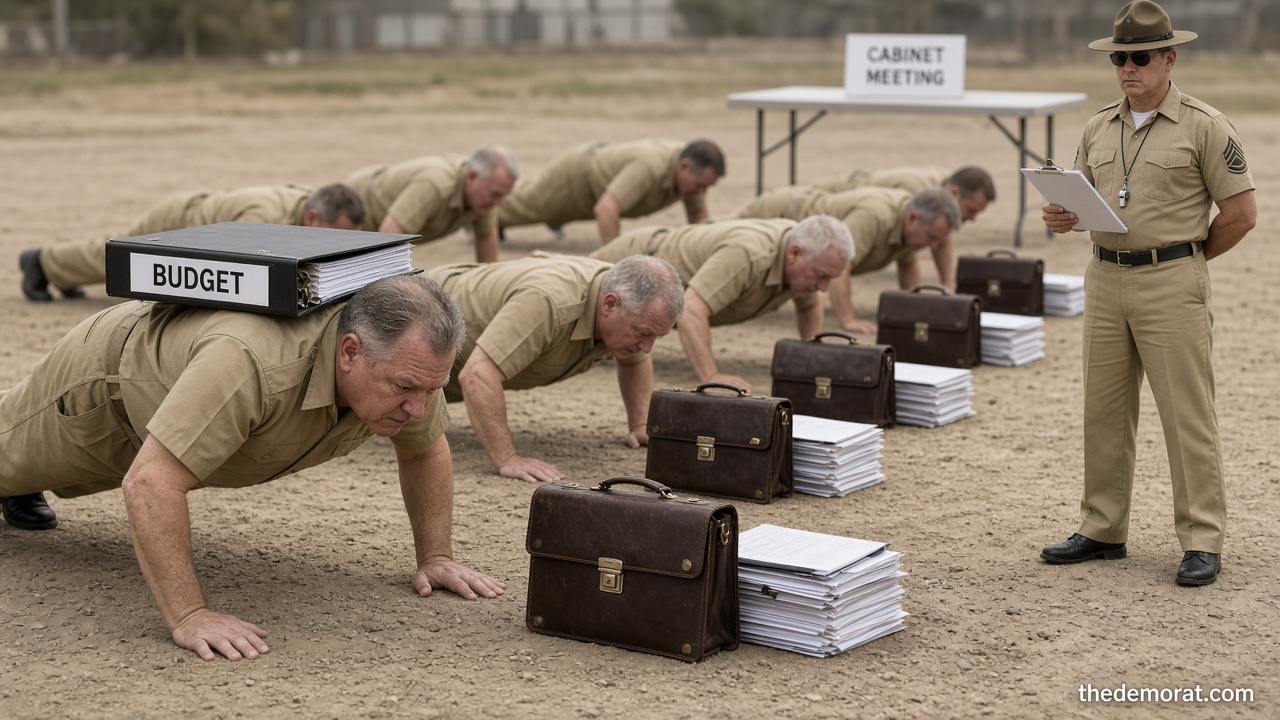
Energy Minister Joe Saddi has ordered the shutoffs with no exceptions, per local media. Al Jazeera reports he has also been boycotting cabinet meetings over the government's failure to fund his ministry, and three ministers from his party joined the boycott last Thursday. So the man in charge of electricity stopped showing up to the government, then cut the government's electricity. He didn't walk out of the meeting. He unplugged it.
EDL said the cuts were "not directed against the state," per LBCI. EDL is owned by the state. The bills belong to the state. The darkness is in the state. The board also said it was surprised by the controversy, which may be the only thing in Lebanon that still comes as a surprise.
Offices that made a partial payment and signed up for monthly installments got their power back, per LBCI. The rest stay dark until they pay. Welcome to being a customer, ministries.
Because regular people have been customers for years. Al Jazeera reports state power in Beirut has fallen from about 21 hours a day to two to four, with some days none at all. Residents fill the gap with private generators, which got more expensive every time fuel did. Ordinary Lebanese got cut off long ago. The government just finally got the same service.
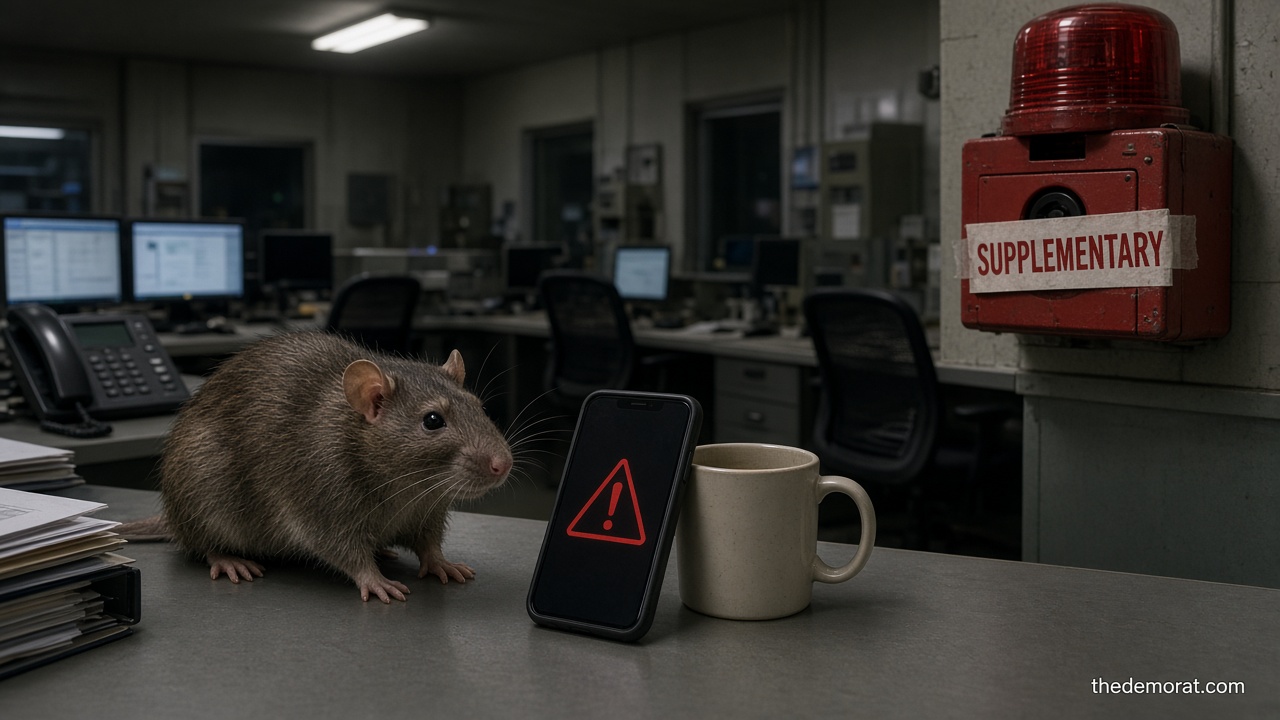
On the sewer scale, I give this four rats out of five. One rat for running up a quarter-billion-dollar tab at your own store. One rat for an energy ministry pulling the plug on the water. One rat for a minister boycotting a cabinet he still sits in. One rat for the family in Beirut on generator power who were living this for years before any ministry noticed.
Lebanon finally mailed itself a final notice. Now the ministries just have to find the money to pay it, which would be easier if they could turn the lights on.
And here's your bill: U.S. electricity prices are up 4.4% over the past year, per the Bureau of Labor Statistics, and if you skip yours, nobody calls it a political statement.
This article is satire. The Demorat is a parody news site; real facts are drawn from the linked sources, and jokes, invented scenes, and fictional characters are not real.
The real story that inspired this