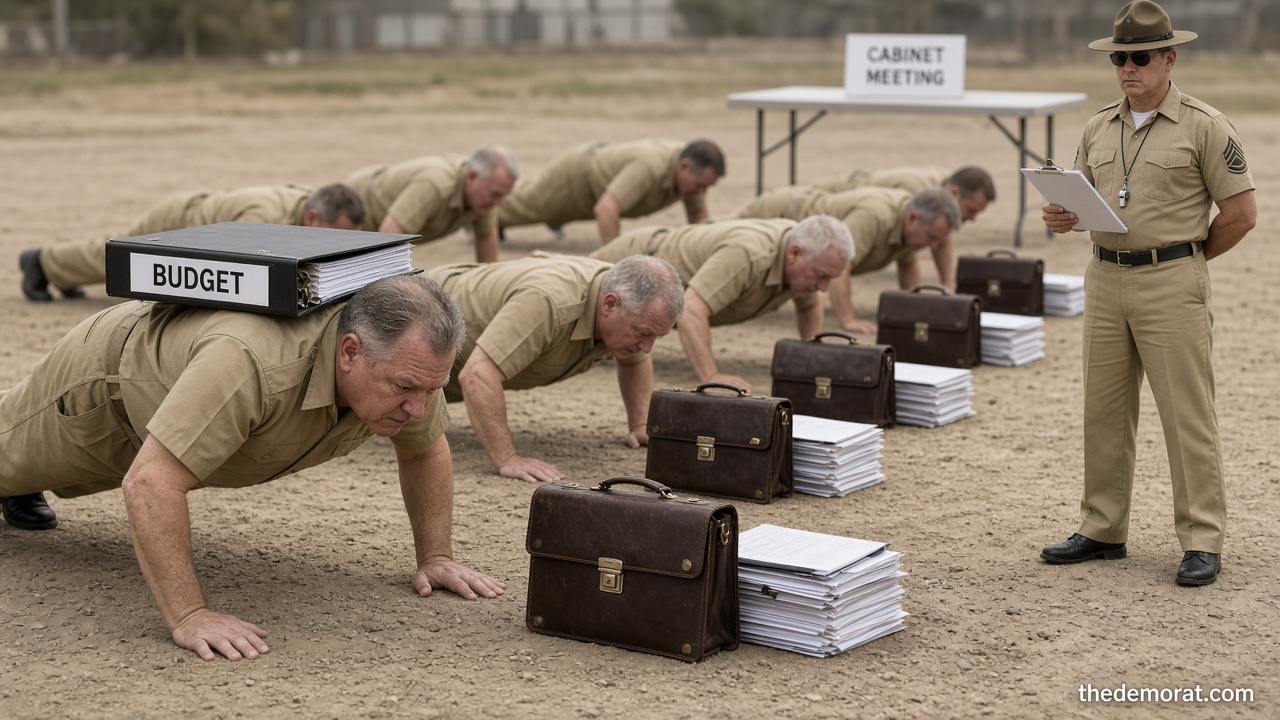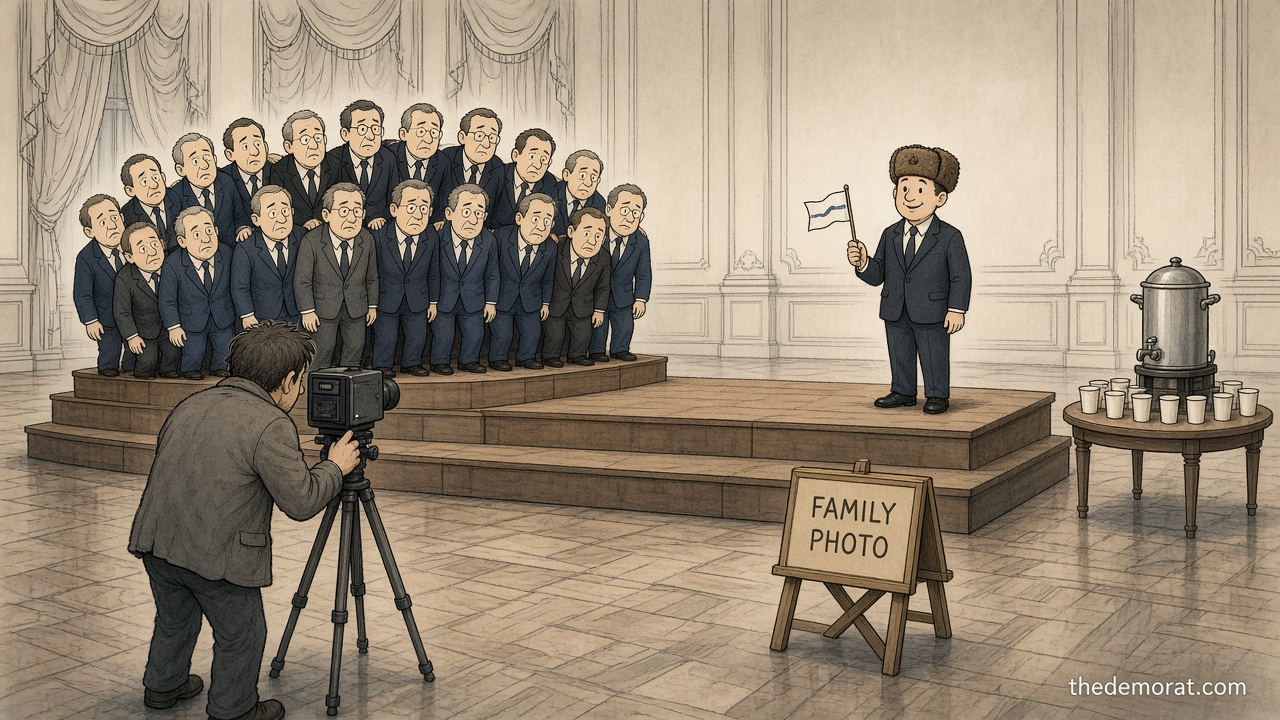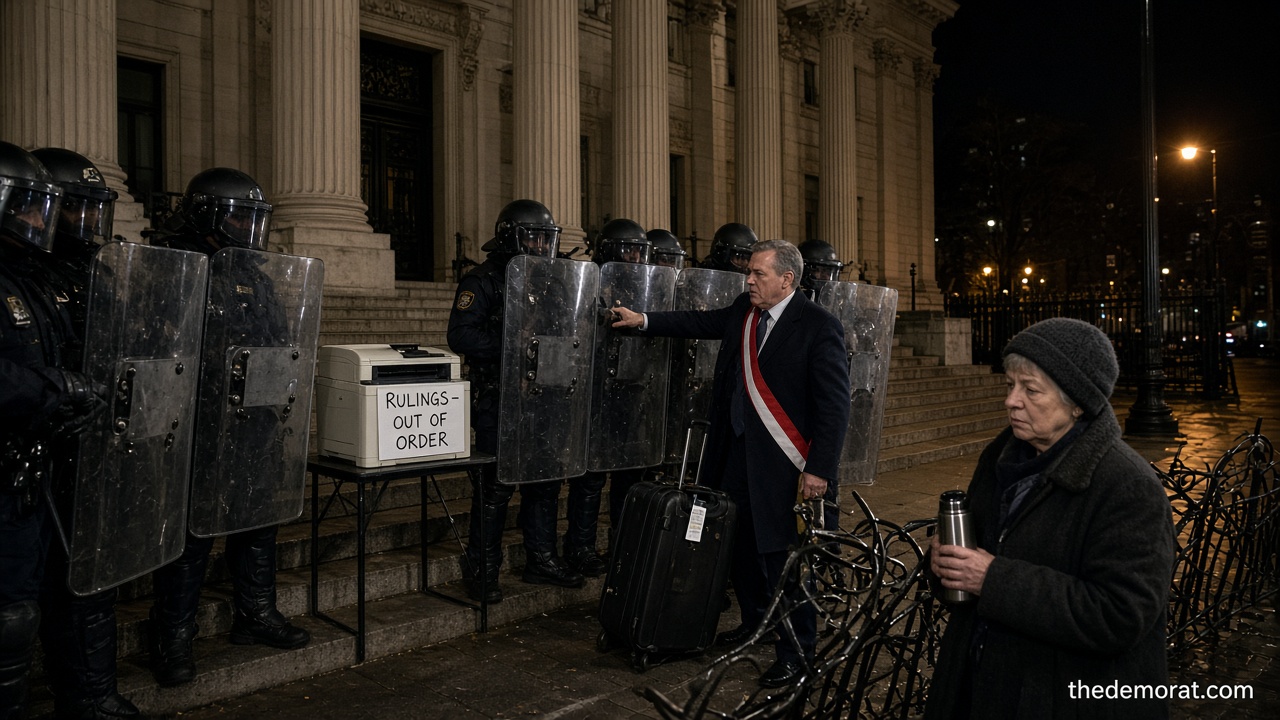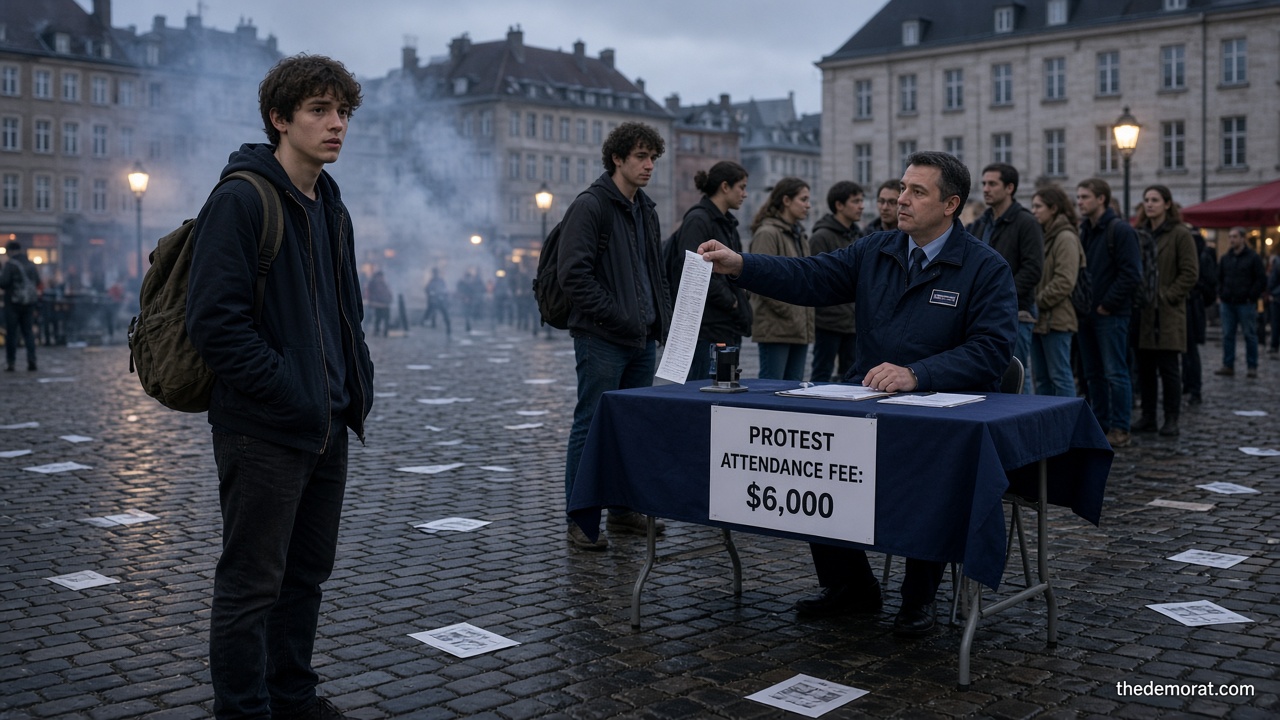

Germany's chancellor flew to Asia this week to build a global alliance against protectionism. He came home surprised to learn that Asia had read his protectionism.
I've followed a lot of leaders on a lot of trade missions. This is the first one where the guest of honor packed the problem in his own carry-on.
Here's what's real, per Politico Europe, NHK and The Star. Friedrich Merz spent five days in Singapore, Japan and South Korea. In speeches in Tokyo and Seoul he proposed a "global political alliance for rules-based trade," where middle powers like the EU, Asian nations, Canada and Australia would "act together" if anyone challenged the rules or applied economic pressure.
Lovely idea. Everybody promises not to rig the game.
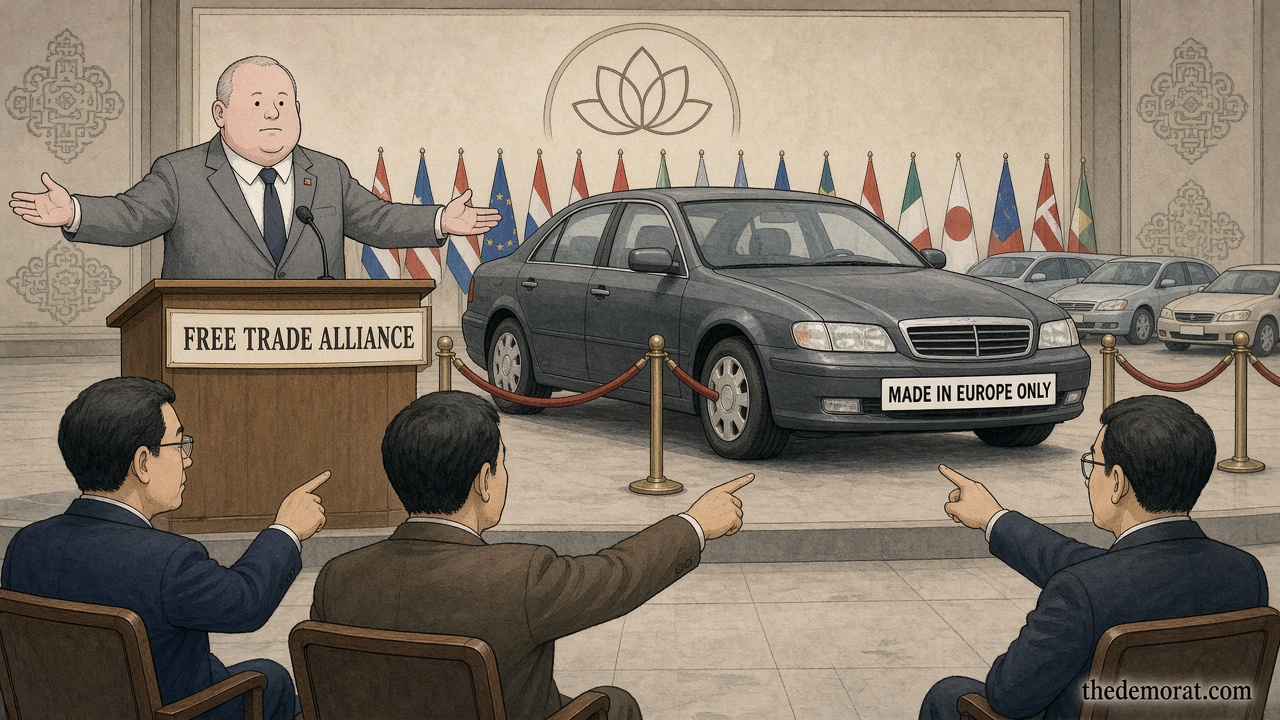
Meanwhile, back home, Merz and French President Emmanuel Macron had agreed on a plan for Brussels to restrict car subsidies to vehicles built inside the EU, Switzerland and the U.K. Not Japan. Not Korea. Not Singapore. Not the three countries he was currently visiting to talk about fairness.
So the pitch went like this: join our club against people who rig trade, and please ignore the sign on our door that says Europeans only.
The hosts did not ignore it. South Korean President Lee Jae Myung told reporters he'd "asked Merz for support so that Korea would be treated like the EU member states." Japanese Prime Minister Sanae Takaichi pressed the same point in Tokyo, per NHK, and Japan's economy minister called the plan a "matter of concern."
Merz's review of his own trip: "That was, in fact, a topic that surprised me a bit, given the intensity with which it was presented."
Surprised. A man walks into a car show with a plan to subsidize everybody's cars but yours, and he's surprised you brought it up. That's not diplomacy. That's a guy who parks in your driveway and is shocked when you mention the driveway.
In Tokyo, per The Star, he'd already admitted, "I haven't been able to dispel the concerns." Of course not. The concerns are a written policy. You can't dispel a document. You can only shred it, and he flew to Asia without a shredder.
He did promise to take the complaints "very seriously" and raise them at the EU leaders' meeting in Dublin on Nov. 13. That's the European solution to everything: a summit, in a nicer city, about the last summit.
And the rest of the itinerary? Politico reports Merz asked Japan to send Patriot missiles to Ukraine, and the request fell flat. A Japanese diplomat then asked the German delegation, "How exactly will you help us if China attacks Taiwan?" Germany offered an alliance. Japan asked for the terms. Germany offered another speech.
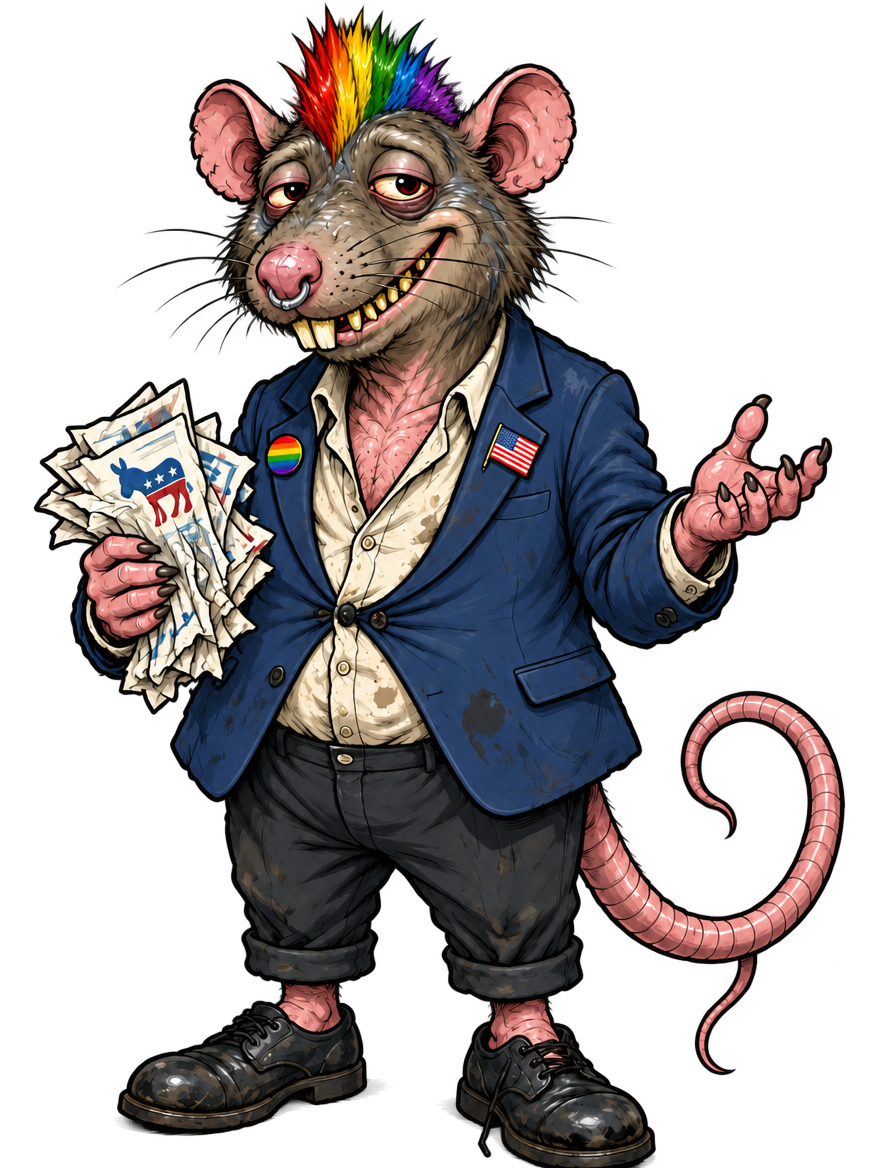
On the sewer scale, I give Merz's Asia tour three rats out of five. One rat for preaching free trade with a "Made in Europe" sticker on his forehead. One rat for being surprised by the intensity of people protecting their own car industry, which is the exact thing he was doing. One rat for solving it with a meeting in Dublin. I'd add a fourth, but it was built in Korea and doesn't qualify for the subsidy.
He went looking for partners against protectionism. He found three. They were all pointing at him.
And here's your bill: regular gas averaged $4.17 a gallon on Nov. 1, per AAA, up from $3.04 a year ago, and nobody in Berlin, Paris or Washington flew five days to apologize for that either.
This article is satire. The Demorat is a parody news site; real facts are drawn from the linked sources, and jokes, invented scenes, and fictional characters are not real.
The real story that inspired this